
Author:
7 minutes
Table of Contents
Key Takeaways
Walk-in tubs improve bathroom safety and independence. They reduce fall risk with low-entry doors, built-in seating, and grab bars, making bathing safer for seniors and people with mobility challenges.
Costs vary widely based on features and installation. Prices typically range from $2,000 to $15,000+, with additional installation costs depending on plumbing, electrical, and bathroom layout needs.
They’re not one-size-fits-all. Walk-in tubs are best for those who prefer bathing and seated use, while walk-in showers may be a better option for wheelchair users or those needing quicker access.
Here's the fully restructured article hitting all required sections:
Walk-In Tubs: Benefits, Costs, Brands, and Everything You Need to Know in 2026
Walk-in tubs are designed to make bathing safer, easier, and more comfortable for older adults and people with mobility challenges. Unlike traditional bathtubs, walk-in tubs feature a door that opens, allowing users to step in without climbing over a high tub wall.
As more seniors choose to age in place, walk-in tubs have become one of the most popular home modifications for improving bathroom safety and independence. This guide covers everything you need to know, including how walk-in tubs work, popular features, costs, top brands, installation, and insurance coverage.
What Is a Walk-In Tub?
A walk-in tub is a specialized bathtub with a watertight door, built-in seating, and safety features such as grab bars and non-slip floors. Most models allow users to sit while bathing rather than lowering themselves to the floor of a traditional tub, which significantly reduces the risk of slipping or falling.
Walk-in tubs are commonly recommended for seniors with balance concerns, people with arthritis or joint pain, individuals recovering from surgery, and anyone with limited mobility. Many models can be installed in place of an existing bathtub with professional modification, making them a practical option for families focused on aging in place without relocating.
For families weighing walk-in tubs alongside broader care and mobility decisions, a patient advocate can help evaluate options so nothing important gets overlooked.
Popular Features of Walk-In Tubs
Walk-in tub technology has continued to evolve, and today's models offer a wide range of features beyond basic safety. Understanding what is available helps narrow down which options are worth paying for and which may not fit your specific needs.
Low entry threshold. Most walk-in tubs feature a threshold of just one to three inches, compared to the 15 to 20 inches of a standard tub. This is one of the most important safety features for people with limited mobility.
Inward and outward swinging doors. Inward-swinging doors are the most common and create a tighter water seal. Outward-swinging doors make exiting easier for some users, particularly those who need more space to maneuver.
Built-in heated seating. Heated seats keep users comfortable during the fill and drain periods, which can otherwise feel chilly.
Hydrotherapy and air jets. Water jets and air bubble systems provide therapeutic massage that may relieve joint pain, muscle stiffness, and circulation issues.
Fast-fill and fast-drain systems. These reduce the time a user spends waiting inside the tub, which is a common complaint with older models.
Chromotherapy lighting. Some higher-end models include colored lighting designed to promote relaxation and mood support.
Handheld shower wand. A flexible showerhead allows users to rinse off before or after soaking without needing a separate shower.
Anti-microbial surfaces. Many 2026 models include surfaces treated to resist mold and bacteria growth, which is particularly relevant for users with compromised immune systems.
For families navigating equipment decisions alongside insurance questions, understanding what Medicare covers for home health care is a useful reference point when budgeting for modifications.
Different Types of Walk-In Tubs
Not all walk-in tubs are built the same way. The right type depends on the user's mobility level, bathroom layout, and whether a caregiver will be regularly involved.
Soaker walk-in tubs are the most basic option. They include the low threshold and seating but no jets or massage features. These tend to be the most affordable and are a good starting point for users who primarily need fall prevention.
Hydrotherapy walk-in tubs include water jets that direct pressurized water at specific muscle groups. These are popular for users managing arthritis, chronic pain, or poor circulation.
Air jet walk-in tubs use thousands of tiny air bubbles rather than water jets to create a gentler, full-body massage effect. These are often recommended for users with more sensitive skin or those who prefer a softer sensation.
Combination walk-in tubs include both water jets and air jets, offering the most therapeutic flexibility but also the highest price point.
Bariatric walk-in tubs are wider models designed to accommodate users who need additional space and a higher weight capacity, typically 500 to 600 pounds.
Two-door walk-in tubs feature both an entry door and an exit door on opposite sides, which can be helpful in certain bathroom layouts or for users who have difficulty turning around.
Choosing between these types is easier when you have a clear sense of the user's daily challenges. An occupational therapist or an advocate who specializes in mobility equipment decisions can help match the right tub type to the right person.
Why Do I Need a Walk-In Tub?
Walk-in tubs solve real problems that standard bathtubs create for older adults and people with mobility limitations. Here are the most compelling reasons families choose them.
Hydrotherapy
Warm water immersion and jet massage have long been used to support physical comfort and recovery. Hydrotherapy may help reduce joint pain and stiffness associated with arthritis, improve circulation in people with peripheral vascular conditions, ease muscle soreness after physical therapy or exercise, and support relaxation and sleep quality in older adults.
Research published in the Journal of Rheumatology has found that warm water therapy can meaningfully reduce pain and improve function in people with osteoarthritis of the knee and hip. While a walk-in tub is not a medical treatment, the therapeutic features available in many models draw on the same principles.
For seniors managing multiple health conditions and navigating complex medication regimens, hydrotherapy can serve as a complementary support for daily comfort.
Prevent Accidents and Injuries
Bathroom falls are among the most serious risks facing older adults at home. According to the CDC, approximately 235,000 people visit emergency rooms each year due to bathroom injuries, and adults over 65 account for a disproportionate share of those cases. Climbing over a traditional tub wall while wet is one of the most common moments when falls occur.
Walk-in tubs address this directly by eliminating the step-over entirely. Combined with non-slip flooring, grab bars, and stable seating, a well-designed walk-in tub transforms one of the most hazardous areas of the home into a much safer space. For seniors recovering from surgery or managing balance issues, this can be the difference between staying home independently and needing a higher level of care.
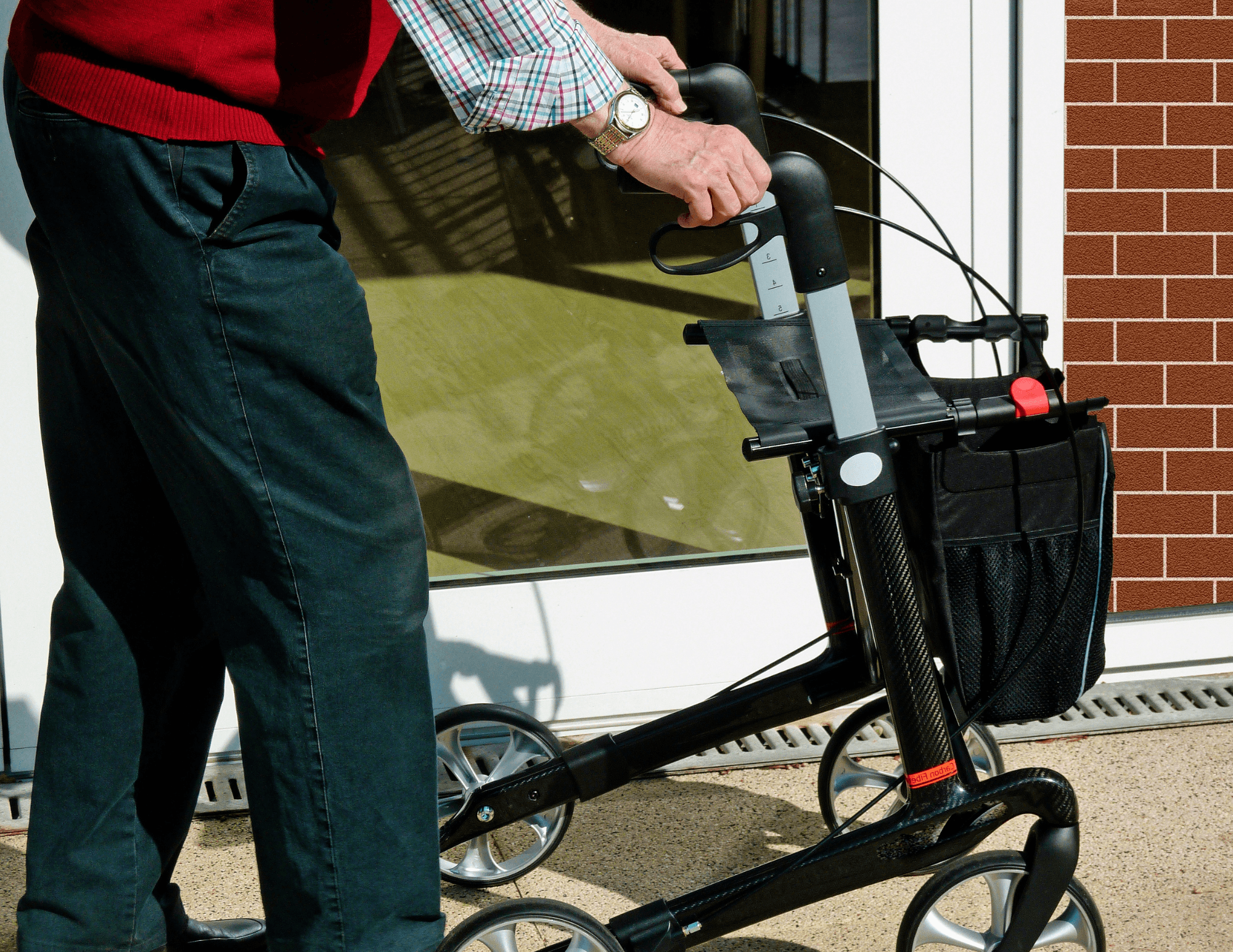
Families thinking about fall prevention as part of a broader safety plan may also want to compare options like a walker versus a rollator for mobility support throughout the home.
May Increase Home Value
A well-installed walk-in tub from a reputable brand can add value to a home, particularly in markets where a significant portion of buyers are older adults or are purchasing for aging family members. While a walk-in tub is unlikely to generate a dollar-for-dollar return on investment, it signals that a home has been thoughtfully modified for accessibility, which can be a meaningful selling point.
It is worth noting that this varies by market and buyer. In some cases, families later convert a walk-in tub back to a standard tub if the home is sold to a younger buyer. Discussing this with a real estate professional familiar with your local market is worthwhile before making a decision based primarily on resale value.
How Much Do Walk-In Tubs Cost?
The cost of a walk-in tub varies significantly depending on size, features, brand, and what installation requires in your specific bathroom.
Basic soaker models typically start between $2,000 and $5,000. Mid-range models with hydrotherapy or air jets generally fall between $5,000 and $10,000. High-end combination tubs or custom configurations can run $10,000 to $15,000 or more before installation.
Installation is a separate and significant cost. Depending on plumbing work, electrical upgrades, water heater capacity, and any structural modifications to the bathroom, installation typically adds $1,500 to $5,000 to the total project. In older homes where plumbing or electrical systems need updating, costs can run higher.
When budgeting, it is important to get an itemized quote that covers the tub itself, all installation labor, any required permits, and any bathroom modifications like flooring or wall reinforcement. Getting at least three quotes from licensed contractors before committing is strongly recommended.
For families managing tight budgets, caregiver assistance programs and nonprofit home modification funds may offer partial financial support depending on income and eligibility.
Popular Walk-In Tub Brands
Several manufacturers have established strong reputations in the walk-in tub market. Here is an overview of four of the most widely recognized brands.
Safe Step
Safe Step is one of the most heavily marketed walk-in tub brands in the United States and is frequently seen in television advertising aimed at older adults.
Their tubs are known for a low step-in threshold, typically around one inch, which is among the lowest available. Safe Step offers a range of models including soaker, air jet, and combination options, and the company provides its own installation service in most markets, which can simplify the purchasing process. Safe Step tubs generally fall in the mid-to-upper price range, and the company is known for its customer service and warranty support.
American Standard
American Standard is a well-established plumbing and bath fixture brand with a long history in the U.S. market. Their walk-in tub line includes both soaker and whirlpool models, and the brand is generally associated with reliable construction and consistent quality.
American Standard tubs tend to be competitively priced compared to premium specialty brands and are widely available through plumbing supply distributors. For families who prefer purchasing through an established retailer rather than a direct-to-consumer sales model, American Standard is a commonly recommended option.
Kohler
Kohler is one of the most recognized names in bath fixtures, and their walk-in tub offerings reflect the brand's emphasis on design and engineering quality. Kohler's BubbleMassage walk-in tub line uses air jets rather than water jets, which the company positions as a cleaner and more hygienic option since air jets do not retain water in the lines between uses.
Kohler tubs are generally at the higher end of the price range, but the brand's reputation for durability and the availability of service through authorized dealers makes them a strong long-term investment for many families.
Jacuzzi
Jacuzzi is the brand most closely associated with hydrotherapy in the public imagination, and their walk-in tub line draws on decades of jet and massage system engineering. Jacuzzi's walk-in tubs tend to emphasize therapeutic performance, with customizable jet placement and intensity options that are particularly appealing to users managing chronic pain or arthritis.
Like Kohler, Jacuzzi tubs sit at the premium end of the market. The brand's long history in hydrotherapy gives them credibility in this space that newer specialty brands sometimes lack.
When evaluating brands, it is worth looking beyond marketing materials at warranty terms, local service availability, and reviews from verified purchasers. A patient advocate or aging-in-place specialist can also help families evaluate vendor options without the pressure of a sales environment.
How to Install a Walk-In Tub
Walk-in tub installation is not a DIY project in most cases. It requires licensed plumbing work, may involve electrical modifications, and often requires structural assessment of the bathroom floor and walls.
The general installation process works as follows.
First, the existing bathtub is removed, and the surrounding area is inspected for water damage, mold, or structural issues that need to be addressed before the new tub goes in.
The new tub is then positioned and leveled, and the drain and water supply lines are connected by a licensed plumber. If the tub includes heated features or a motorized drain, electrical work is required and must meet local code. The surround, walls, and any tile work are finished after the tub is set, and a final inspection ensures everything is watertight and safe.
Most reputable brands either provide installation directly or maintain a network of certified installers. Choosing an installer who is familiar with the specific brand you purchase reduces the chance of installation errors that could void the warranty.
Before installation begins, it is worth confirming that your water heater has sufficient capacity for the tub. Walk-in tubs hold more water than standard tubs, and a water heater that cannot keep up will leave the user sitting in lukewarm water. Some installations require a water heater upgrade, which adds to the overall cost.
If the bathroom requires significant structural work, consulting with an occupational therapist beforehand can ensure the finished space is optimized for the user's specific mobility needs, not just code-compliant.
Will Medicare Pay for a Walk-In Tub?
In most cases, Medicare does not cover walk-in tubs. Medicare classifies walk-in tubs as home modifications rather than durable medical equipment, which means they fall outside standard Part A and Part B coverage.
However, there are some situations worth exploring. Some Medicare Advantage plans, which are offered through private insurers, include supplemental benefits that cover home safety modifications. Coverage varies significantly by plan and by year, so it is worth calling your plan directly and asking specifically whether bathroom safety modifications or walk-in tubs are included in your benefits.
Veterans enrolled in VA healthcare may qualify for the Home Improvements and Structural Alterations grant, which can cover up to $6,800 in home modification costs for veterans with service-connected disabilities.
For a broader look at what Medicare does and does not cover for home and health needs, resources on Medicare home health care coverage and Medicare dental coverage can help set realistic expectations about what the program covers for aging-in-place needs.
Will Medicaid Pay for a Walk-In Tub?
Medicaid coverage for walk-in tubs is more variable than Medicare but in some cases more accessible. Because Medicaid is administered at the state level, eligibility and covered services differ depending on where you live.
Many states offer Home and Community Based Services waivers, sometimes called HCBS waivers, that can cover home modifications for Medicaid-eligible individuals who need support to remain safely at home. These waivers are designed to help people avoid nursing home placement by making their current home safer and more accessible. Walk-in tubs may qualify under these programs depending on the state and the individual's documented medical needs.
To pursue Medicaid coverage for a walk-in tub, the process typically involves a needs assessment from a care coordinator or social worker, documentation from a physician or occupational therapist supporting the medical necessity of the modification, and an application through the state Medicaid office or a managed care organization.
Navigating Medicaid waiver programs can be complicated, and eligibility is not guaranteed. A patient advocate can help families understand what programs are available in their state, gather the right documentation, and follow up with the relevant agencies. For families already managing complex care needs, this kind of structured support can save significant time and reduce the chance of a denial due to incomplete paperwork.
If you are unsure where to start with Medicaid or Medicare coverage questions, Aviator Health provides advocacy support to help families navigate exactly these kinds of coverage and home care decisions.
Choosing the Right Walk-In Tub for You
With so many options available, narrowing down the right walk-in tub comes down to a few key questions. What is the primary goal — fall prevention, therapeutic relief, or both? What is the realistic budget, including installation?
Does the bathroom have the space and infrastructure to support the tub without extensive remodeling? Will a caregiver be regularly involved in bathing, and if so, does the tub design accommodate that?
It is also worth thinking about the longer term. A tub that meets current needs may not be sufficient if mobility declines further. Choosing a model with more accessibility features than you currently need can extend how long the tub remains useful.
Getting input from an occupational therapist before purchasing is one of the most consistently recommended steps by aging-in-place specialists. Their assessment of the user's specific mobility and safety needs can prevent a costly mismatch between the tub purchased and the support actually required. For families also managing insurance questions, care coordination, or broader decisions about aging in place versus assisted living, working with an advocate can bring all of those threads together in one place.
Medical Disclaimer
This article is for informational purposes only and is not a substitute for professional medical advice, diagnosis, or treatment. Always consult your physician or a qualified healthcare provider before making decisions about home modifications or mobility equipment. If you are experiencing a medical emergency, call 911 immediately.
Sources
Centers for Disease Control and Prevention. (n.d.). Bathroom safety and older adults. https://www.cdc.gov/falls/data/index.html
National Institute on Aging. (n.d.). Aging in place: Growing older at home. https://www.nia.nih.gov/health/aging-in-place
U.S. Department of Veterans Affairs. (n.d.). Home Improvements and Structural Alterations (HISA) grant. https://www.va.gov/housing-assistance/adaptable-housing-grants/
Medicare.gov. (n.d.). Durable medical equipment coverage. https://www.medicare.gov/coverage/durable-medical-equipment-dme-coverage
Medicaid.gov. (n.d.). Home and community based services. https://www.medicaid.gov/medicaid/home-community-based-services/index.html
AARP. (n.d.). Home modification resources for older adults. https://www.aarp.org/home-family/your-home/info-2020/home-modifications.html
Verhagen, A. P., de Vet, H. C., de Bie, R. A., et al. (1997). Balneotherapy for rheumatoid arthritis and osteoarthritis. Cochrane Database of Systematic Reviews. https://www.cochranelibrary.com/cdsr/doi/10.1002/14651858.CD000518

Related Blogs



Aviator
Why trust Aviator Health
We pride ourselves on being a trusted guide for older adults and their families during life’s most important moments.
Our team are experienced, compassionate professionals who put dignity, respect, and independence first. We take the time to listen, explain options clearly, and advocate for what truly matters to each individual.
With deep knowledge of aging services and a heartfelt commitment to ethical care, we support seniors with honesty, patience, and understanding so no one ever feels alone, unheard, or rushed. Trust is earned through consistency, empathy, and follow-through, and that’s what we bring to every relationship.