
Author:
7 minutes
Table of Contents
Key Takeaways
Social prescribing is a healthcare approach where doctors refer patients to non-clinical activities like exercise groups, art classes, gardening programs, and volunteer opportunities to improve health
Research shows social isolation increases mortality risk by 26% and dementia risk by 50%, making social connection as important to health as diet and exercise
Social prescribing programs have reduced doctor visits and emergency room visit
Your doctor hands you a prescription, but instead of a medication, it says "join a walking group" or "take an art class." This is social prescribing, and it represents a fundamental shift in how healthcare providers approach patient health.
The idea is simple: your health depends on more than just pills and procedures. How connected you feel to others, how active you stay, and how much purpose you have in daily life all affect your physical and mental well-being.
For older adults, social prescribing addresses a problem that medicine alone cannot fix.
Approximately one-quarter of Americans aged 65 and older are socially isolated, and research shows this isolation carries health risks comparable to smoking 15 cigarettes per day. Yet until recently, doctors had few tools to address these non-medical factors affecting their patients' health.
This guide explains what social prescribing is, why it matters for your health, what types of activities it includes, and how you can access these programs as a Medicare beneficiary.
What Is Social Prescribing?
Social prescribing is a way for healthcare providers to formally refer patients to non-medical activities and community resources that can improve their health. Instead of only treating symptoms with medications or procedures, social prescribing addresses the underlying social, emotional, and lifestyle factors that influence how healthy you are.
The World Health Organization defines social prescribing as "a means for trusted individuals in clinical and community settings to identify that a person has non-medical, health-related social needs" and then connect them to appropriate support. Think of it as your doctor prescribing activities that keep you engaged, active, and connected rather than isolated and sedentary.
The concept builds on decades of research showing that health is shaped by far more than medical care. Where you live, the level of social support you have, whether you feel a sense of purpose, and how physically active you are all play major roles in determining your health outcomes. Social prescribing gives healthcare providers a structured way to address these factors.
The approach originated in the United Kingdom, where the National Health Service began formalizing social prescribing programs in 2017. Today, social prescribing is expanding rapidly across multiple countries, including the United States, Canada, Australia, and several European nations.
Why Social Connection Matters for Your Health
Social prescribing exists because of overwhelming evidence that social factors directly affect physical health. This is not about feeling good (though that matters too). Social isolation and loneliness trigger measurable biological changes that increase your risk of serious illness and early death.
The Health Risks of Social Isolation
The National Academies of Sciences, Engineering, and Medicine reviewed the evidence on social isolation and found alarming connections to health outcomes:
Social isolation is associated with a significantly increased risk of premature death from all causes
Social isolation is associated with approximately 50% increased risk of developing dementia
Loneliness among heart failure patients is associated with increased risk of death, increased risk of hospitalization, and increased risk of emergency department visits
Approximately one-quarter of community-dwelling Americans aged 65 and older are considered socially isolated
How Isolation Affects Your Body
Social isolation does not just make you feel bad. It changes your biology. Researchers have identified several pathways through which isolation harms physical health:
Stress response: Chronic loneliness activates the body's stress response system, leading to elevated cortisol levels and inflammation that damage blood vessels and organs over time
Immune function: Social isolation is linked to changes in immune system function, making isolated individuals more susceptible to infections and slower to heal
Cardiovascular health: Loneliness is associated with higher blood pressure, increased risk of heart disease, and greater likelihood of stroke
Brain health: Social engagement appears to protect cognitive function, while isolation accelerates cognitive decline
Health behaviors: Isolated individuals are more likely to smoke, less likely to exercise, and more likely to have poor diets
Understanding these connections helps explain why social prescribing is not a soft alternative to real medicine. Addressing social isolation is treating a genuine health risk factor, much like treating high blood pressure or high cholesterol.
Types of Social Prescriptions
Social prescriptions vary widely based on individual needs, interests, and local resources. The best social prescription is one that matches what matters to you and what you will actually do. Here are the main categories:
Physical Activity Programs
Exercise prescriptions are among the most common because physical activity benefits both body and mind while creating opportunities for social connection:
Walking groups that meet regularly in parks or neighborhoods
Tai chi or yoga classes designed for older adults
Swimming or water aerobics programs
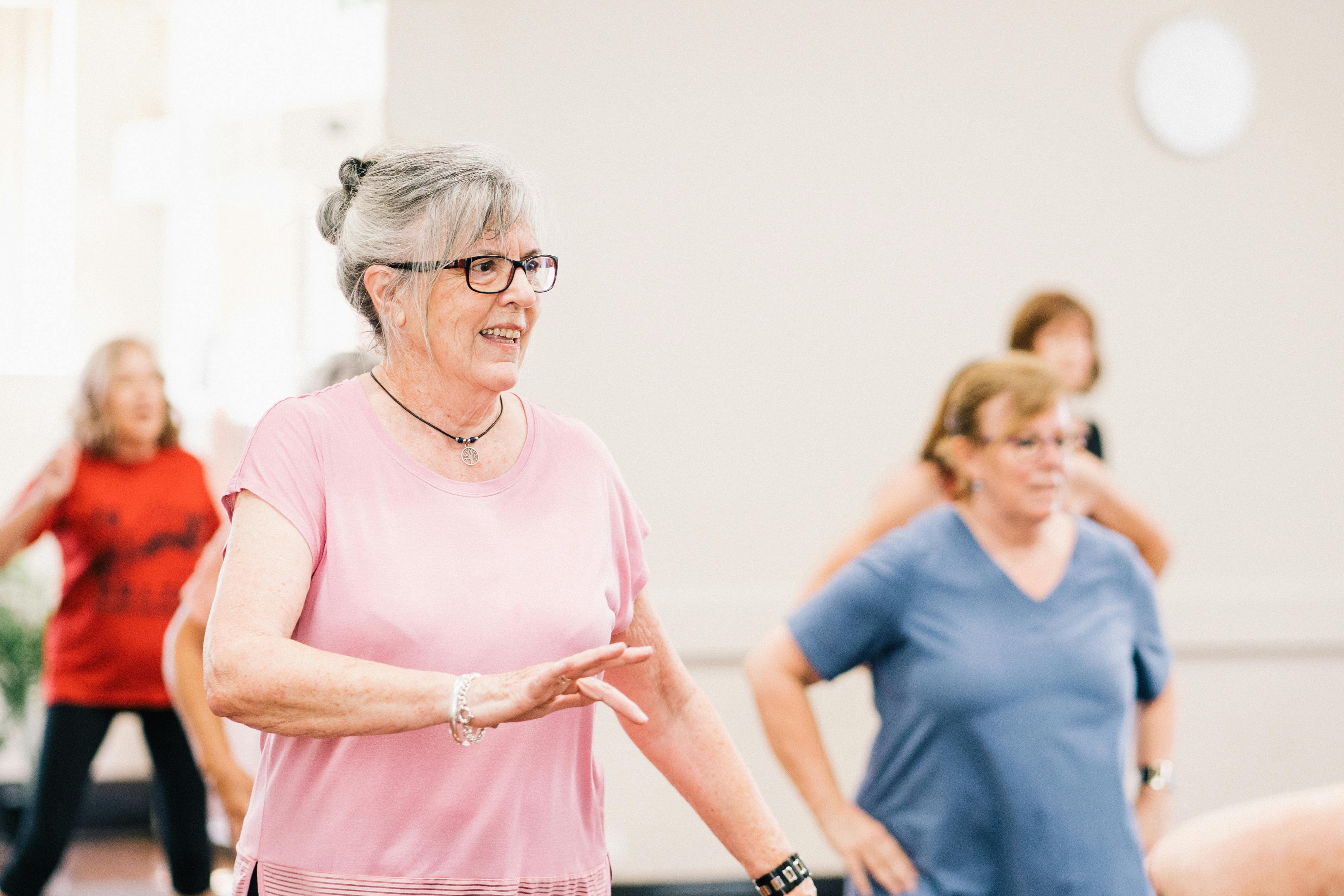
Dance classes, from ballroom to line dancing
Gym memberships with group fitness classes
Cycling groups or programs that provide adaptive bikes
Arts and Creative Activities
Creative engagement provides mental stimulation, a sense of accomplishment, and opportunities to connect with others who share your interests:
Painting, drawing, or sculpture classes
Music programs, including choir, instrument lessons, or drumming circles
Writing groups or memoir workshops
Crafting circles for knitting, quilting, or woodworking
Photography clubs
Theater or drama groups
Nature-Based Activities
Time in nature has documented benefits for mental health, stress reduction, and overall well-being:
Community gardening programs
Park walking groups or guided nature walks
Conservation volunteering, such as trail maintenance or wildlife monitoring
Bird watching clubs
Horticultural therapy programs
Outdoor fitness classes in parks
Social Connection and Support
Some social prescriptions focus directly on building relationships and reducing isolation:
Befriending programs that match isolated individuals with volunteers for regular visits or calls
Peer support groups for specific health conditions or life transitions
Community meal programs and social dining clubs
Men's sheds or women's groups that combine activities with conversation
Intergenerational programs connecting older adults with children or young people
Telephone friendship lines for those who cannot leave home
Volunteering and Service
Helping others provides purpose and meaning while building social connections:
Volunteering at hospitals, schools, libraries, or food banks
Mentoring programs
Community service projects
Charity work or fundraising activities
Skills-based volunteering using professional expertise
Practical Support Services
Social prescribing can also address practical barriers that contribute to poor health:
Housing support and assistance with benefits applications
Financial counseling and debt advice
Employment assistance for those who want to work
Food programs and nutrition support
Transportation services to medical appointments and community activities
How Social Prescribing Works
Social prescribing programs vary in structure, but most follow a similar process that connects patients with appropriate community resources:
Step 1: Identifying the Need
The process typically starts when a healthcare provider notices that a patient has non-medical needs affecting their health. This might happen during a regular appointment when a doctor realizes that loneliness, lack of activity, or life circumstances are contributing to a patient's symptoms. Some practices use screening tools to systematically identify patients who might benefit from social prescribing.
Step 2: Referral to a Link Worker
In many programs, the healthcare provider refers the patient to a "link worker" (also called a navigator, community connector, or care coordinator). This person serves as the bridge between healthcare and community resources. Link workers are trained to have in-depth conversations with patients to understand what matters to them and what might help.
Step 3: Creating a Personalized Plan
The link worker works with the patient to co-create a social prescription based on the patient's interests, abilities, and goals. This is not a one-size-fits-all approach. A social prescription for someone who loves being outdoors will look different from one for someone who prefers creative activities. The key is matching the person with activities they will actually enjoy and continue.
Step 4: Connecting to Community Resources
The link worker helps the patient access appropriate programs and services. This might involve making introductions, arranging transportation, addressing cost barriers, or simply providing encouragement to take the first step. For some patients, the link worker might accompany them to their first session.
Step 5: Follow-Up and Support
Good social prescribing programs include follow-up to see how the patient is doing and whether adjustments are needed. Some patients need ongoing support, while others become self-sufficient after the initial connection is made.
How to Access Social Prescribing Programs
Even if your healthcare system does not have a formal social prescribing program, you can take steps to access similar benefits:
Talk to Your Healthcare Provider
Start by having a conversation with your doctor about the role social connection and activity play in your health:
At your Annual Wellness Visit (covered by Medicare at no cost), discuss your social support, activity level, and overall well-being
Ask if your healthcare system has a social prescribing program, care coordinator, or community health worker who can help connect you with resources
If you are feeling isolated or lonely, tell your provider. This is health information they need to know
Explore Community Resources
Many social prescribing activities are available through community organizations:
Area Agencies on Aging: Find yours at eldercare.acl.gov or call 1-800-677-1116. They can connect you with senior centers, meal programs, transportation, and social activities
Senior centers: Local senior centers offer fitness classes, art programs, social events, educational opportunities, and volunteer programs, often free or at low cost
Parks and recreation departments: Many offer discounted programs for seniors, including walking groups, nature programs, and fitness classes
Libraries: Public libraries increasingly offer wellness programs, social groups, book clubs, and community events
Faith-based organizations: Churches, synagogues, mosques, and other religious groups often provide social programming
YMCA/YWCA: Many accept SilverSneakers memberships and offer programs designed for older adults
Use Medicare Advantage Fitness Benefits
If you have a Medicare Advantage plan, check whether it includes fitness benefits like SilverSneakers, Renew Active, or Silver&Fit. These programs provide:
Free access to thousands of participating gyms and fitness centers
Group fitness classes designed for older adults
Online classes and on-demand workout videos
Community social events
According to the Kaiser Family Foundation, 95% of Medicare Advantage plans include fitness benefits. If your current plan does not include these benefits and they matter to you, consider comparing options during Medicare Open Enrollment (October 15 to December 7).
Frequently Asked Questions
Is social prescribing the same as lifestyle medicine?
They are related but not identical. Lifestyle medicine is a medical specialty focused on how lifestyle factors (nutrition, physical activity, sleep, stress management, avoiding risky substances, and social connection) prevent and treat disease. Social prescribing is a process for connecting patients with community resources that often address similar factors. The two approaches complement each other.
Can my doctor write a prescription for a gym membership?
Your doctor can recommend or "prescribe" exercise, but this does not mean Medicare will pay for a gym membership. However, if you have a Medicare Advantage plan with fitness benefits like SilverSneakers, you may have access to gyms at no additional cost. Your doctor's recommendation can help motivate you to use benefits you already have.
Takeaway
Social prescribing reflects a growing understanding that health is about more than what happens in a doctor's office. The activities that keep you engaged, connected, active, and purposeful play a real role in whether you stay healthy and how well you recover when illness strikes.
The evidence is clear that social isolation is a serious health risk, comparable to smoking or obesity. And while no pill can cure loneliness, connecting with community resources, staying physically active, and maintaining social bonds can make a measurable difference in health outcomes.
Whether or not your healthcare system has a formal social prescribing program, you can take steps to access these benefits. Talk to your healthcare provider. Explore what your community offers. If you have Medicare Advantage, check your fitness benefits.
Your health depends on staying connected. Social prescribing is simply a way of taking that truth seriously.
This article is for informational purposes only and should not be substituted for professional advice. Information is subject to change. Consult your healthcare provider or a qualified professional for guidance on medical issues, financial concerns, or healthcare benefits.

Related Blogs



Aviator
Why trust Aviator Health
We pride ourselves on being a trusted guide for older adults and their families during life’s most important moments.
Our team are experienced, compassionate professionals who put dignity, respect, and independence first. We take the time to listen, explain options clearly, and advocate for what truly matters to each individual.
With deep knowledge of aging services and a heartfelt commitment to ethical care, we support seniors with honesty, patience, and understanding so no one ever feels alone, unheard, or rushed. Trust is earned through consistency, empathy, and follow-through, and that’s what we bring to every relationship.